
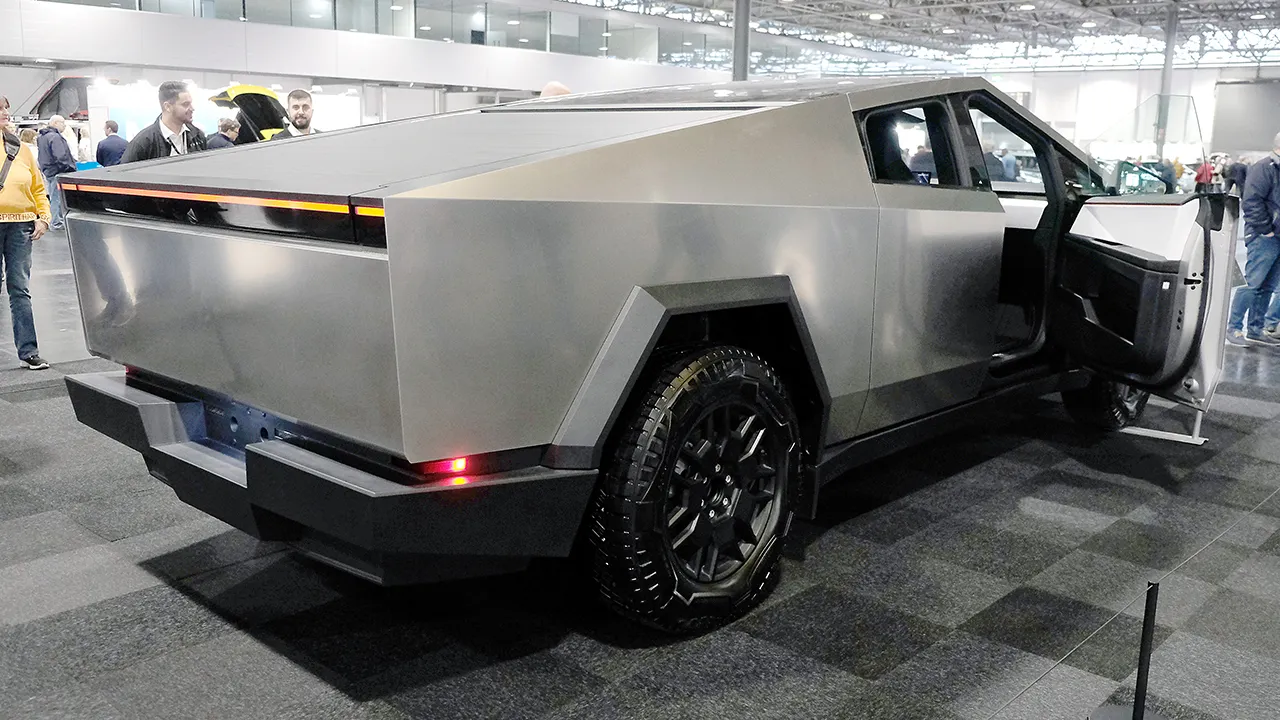
In these days’s world, the strains between military generation and client innovation are becoming blurred. The Pentagon — the headquarters of the U.S. department of defense — is increasingly more turning to huge Tech businesses for superior technology. Meanwhile, Tesla’s Cybertruck, with its futuristic layout and powerful functions, has caught the attention of defense analysts and army planners. Noticeably, the U.S. Air pressure has even shown hobby inside the Cybertruck — no longer as a combat automobile, but as a target for missile and weapon testing.
This article explores how the Pentagon, massive Tech, and Tesla’s Cybertruck are coming collectively in surprising methods — and what this indicates for the destiny of protection and era.
The Pentagon and Big Tech: A New Kind of Partnership
1. Traditional Defense vs Modern Innovation
For decades, the Pentagon relied especially on vintage protection giants like Lockheed Martin, Boeing, and Raytheon. These businesses designed and constructed tanks, planes, and missiles specially for navy use.
However these days’s wars aren’t most effective approximately weapons — they may be about records, automation, and artificial intelligence. That’s why the Pentagon has began collaborating with large Tech companies such as:
- Google (for AI and records analytics)
- Microsoft (for cloud infrastructure)
- Amazon (for logistics and cloud services)
- SpaceX and Tesla (for innovation and engineering)
2. Why the Pentagon Needs Big Tech
Massive Tech agencies innovate quicker than conventional protection companies. They bring about:
- Superior AI for choice-making
- Self sufficient systems for drones and automobiles
- Cybersecurity know-how to guard towards virtual threats
- Facts processing for real-time battlefield records
In quick, massive Tech presents the pace, flexibility, and creativity the Pentagon wishes within the contemporary age.
3. The Risks of Relying on Big Tech
While useful, this courting also brings challenges:
- Dependence on personal organizations for country wide defense
- Ethical worries about using commercial generation in war
- Security risks if sensitive tech is shared too widely
The Tesla Cybertruck: Not Just a Pickup Truck
1. What Makes the Cybertruck particular
Tesla’s Cybertruck is one of the boldest vehicle designs ever made. Its sharp, angular form and stainless steel exoskeleton make it appearance straight out of a science-fiction movie.
Key features include:
- Ultra-tough stainless steel body
- Armor glass windows
- Electric powered drivetrain with robust torque and acceleration
- Long battery range
- Towing and hauling power
- Futuristic, minimalist layout
2. Elon Musk’s Vision
Elon Musk described the Cybertruck as “apocalypse-evidence” — a car that would continue to exist in severe environments. That description alone made it interesting for defense experts who constantly check the bounds of automobiles under harsh situations.
3. Why the Cybertruck Caught the Pentagon’s Attention
The Pentagon’s hobby isn’t as it desires to set up Cybertrucks in battle, however due to the fact:
- The automobile’s shape and cloth make it behave in a different way when hit by weapons.
- Its stainless steel frame resists impact extra than ordinary motors.
- Its layout may also represent what destiny combat or risk cars look like.
For accurate weapon trying out, the army wishes practical objectives — and the Cybertruck affords that realism.

The Pentagon’s Plan: Using Cybertrucks as Test Targets
1. What the Air Force Is Doing
Reports indicate that the U.S. Air pressure plans to buy some Cybertrucks to use as target cars for the duration of missile and weapon trying out at military tiers.
The aim: To apprehend how new weapons perform against robust, futuristic designs just like the Cybertruck.
2. Why Use the Cybertruck as a Target?
- Realistic simulation: Future threats may involve vehicles with similar armor or shape.
- Durability testing: To look how current materials react below effect.
- Innovation study: Expertise how commercial technology might be tailored or resisted in warfare.
3. Step-by-Step Process of Such a Program
Right here’s how a challenge like this usually unfolds:
- Requirement definition – The Air force defines what sort of automobile or material it wants to take a look at.
- Market research – Officers take a look at if any current motors healthy the wishes.
- Selection – They find that the Cybertruck’s structure suits their requirements.
- Procurement – Some gadgets are bought (normally with out batteries or internal electronics).
- Testing – The motors are used in live-hearth training and weapon effect simulations.
- Analysis – Engineers analyze consequences to improve missile accuracy and fabric overall performance.
This manner ensures that U.S. forces live organized for evolving threats — even if those threats seem like futuristic electric powered motors.
Comparing Military and Civilian Innovation
Navy cars are designed for durability and battlefield use, at the same time as civilian tech like the Tesla Cybertruck focuses on innovation, layout, and performance. Yet, each worlds are actually overlapping. The Pentagon’s hobby within the Cybertruck shows how current customer generation can influence military wondering. here’s how they vary — and connect:
- Purpose: Navy motors are built for combat; the Cybertruck become constructed for purchasers but has navy-grade strength.
- Material: Traditional military vehicles use bolstered metal; the Cybertruck makes use of stainless-stainless steel for added durability.
- Technology: Military systems depend on rugged simplicity; the Cybertruck functions cutting edge electric powered and software tech.
- Cost and Production: Navy automobiles are costly and gradual to construct; Cybertrucks are inexpensive and mass produced.
- Innovation speed: Protection initiatives take years; business innovation moves in months.
In brief, the navy is learning that civilian innovation can be simply as valuable as conventional defense technology — once in a while even more adaptable, efficient, and ahead-questioning.
What This Means for the Future of Defense
1. Rise of Dual-Use Technology
Dual-use technology refers to innovations that may be used for both civilian and military purposes.
Examples include:
- Drones (used for photography and surveillance)
- AI structures (used for enterprise and fight choice-making)
- Electric cars (used for transport and ability protection applications)
The Cybertruck is a top instance of this crossover. It’s a client product — but its materials, energy, and design have navy relevance.
2. Global Implications
- Different nations may observe the U.S. instance and check business electric automobiles for defense.
- Governments could start participating more with private tech firms.
- Cybersecurity and software program safety in civilian cars becomes countrywide protection worries.
3. Opportunities for Tech Companies
Tech groups now locate themselves on the center of protection innovation.
They could make contributions in regions along with:
- Electric propulsion for military fleets
- AI for predictive preservation and logistics
- Advanced substances for armor or defense programs
However with possibility comes duty — those corporations ought to navigate complicated ethics and regulations.
Potential Risks and Challenges
1. Ethical Dilemmas
Big Tech agencies regularly face backlash when their generation is used in struggle. Public opinion can flip poor if industrial innovation helps army sports.
2. Security and Supply-Chain Risks
- Commercial deliver chains aren’t built for combat desires.
- If worldwide tensions upward push, get right of entry to to positive tech components may be confined.
- Hacking risks growth whilst civilian technology is integrated into defense structures.
3. Overdependence on Civilian Tech
At the same time as big Tech gives speed and creativity, the army nevertheless needs specialised, struggle-demonstrated systems. Overreliance on commercial innovation should create weaknesses.
Lessons for Businesses and Defense Planners
In case you’re a policymaker or entrepreneur, right here’s what you can analyze from this development:
- Stay adaptable – The destiny of protection is fast-moving. Innovation cycles are shorter.
- Collaborate early – Tech and protection sectors ought to percentage studies dreams.
- Understand dual-use affects – design merchandise with recognition of how they will be used.
- Spend money on cybersecurity – defend structures from misuse.
- Manipulate recognition cautiously – Be obvious about army contracts and ethical barriers.
FAQs
Q1. Why is the Pentagon interested in the Cybertruck?
Because its unique stainless steel frame and futuristic design make it an excellent challenge for weapon testing and sturdiness research.
Q2. Is Tesla officially working with the Pentagon?
Not at once. The Pentagon is purchasing Cybertrucks like some other consumer, mainly for trying out, not through a defense partnership.
Q3. Will Cybertrucks be used in combat?
There’s no plan for that. they’re used as take a look at automobiles to simulate ability future threats, now not as military motors.
Q4. What makes the Cybertruck special compared to normal trucks?
It’s more potent, has an electric drivetrain, and functions superior materials not used in ordinary trucks.
Q5. Does this mean Big Tech will dominate the defense industry?
No longer totally — however huge Tech will play a bigger position, presenting speedy innovation that traditional defense organizations regularly can’t fit.
Q6. Could this happen in other countries too?
Yes. Many nations are actually investing in electric powered, AI-pushed, and self reliant vehicles for both civilian and protection purposes.
Conclusion
The intersection of the Pentagon, huge Tech, and Tesla’s Cybertruck marks a brand new bankruptcy within the evolution of defense and innovation.
What was once a futuristic patron vehicle is now a part of a severe military evaluation — proving that the limits among civilian era and protection capability are swiftly fading.
This fashion indicates how:
- Innovation drives defense strategy
- Civilian technology can shape navy techniques
- Huge Tech firms are actually vital to countrywide security
As we pass forward, collaborations among defense and business innovators will keep growing. Whether or not it’s AI, electric powered motors, or advanced substances, the destiny battlefield can be powered now not only with the aid of squaddies and weapons — however additionally by using the innovative power of the tech global.