
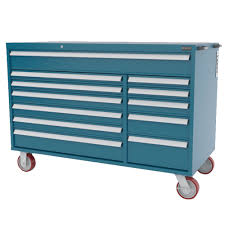
A rolling tool box is an essential accent for every body who works with equipment often — whether or not in a professional workshop, garage, or even at home. Unlike trendy device storage, a rolling device box combines mobility, business enterprise, and sturdiness, making it easier to get entry to and shipping your equipment anyplace you need them.
In this article, we are able to explore the functions, kinds, blessings, shopping for tips, upkeep, and FAQs about rolling device bins to help you make an informed choice.
What Is a Rolling Tool Box?
A rolling tool box is a storage solution for tools that comes with wheels and a handle. This design allows users to move heavy or large collections of tools with minimal effort.
Key characteristics include:
- Mobility: Wheels permit clean transportation.
- Multiple Compartments: Drawers, trays, and cabinets for business enterprise.
- Durability: Regularly made from steel, aluminum, or heavy-obligation plastic.
- Locking Mechanisms: Some fashions include locks for safety..
In essence, a rolling tool box is a combination of a traditional toolbox and a tool chest, designed for both portability and storage.
Types of Rolling Tool Boxes
Rolling tool boxes come in several styles depending on your needs and workspace.
1. Portable Rolling Tool Box
- Lightweight and easy to move.
- Often made of durable plastic.
- Ideal for homeowners or casual DIY users.
2. Professional Rolling Tool Chest
- Heavy-duty steel construction.
- Multiple drawers for specialized tools.
- Suitable for workshops and mechanics.
3. Stackable Rolling Tool Box
- Modular units that can be stacked.
- Allows customization of storage space.
- Easy to expand storage as needed.
4. Combination Tool Box
- Features both a toolbox and a chest in one unit.
- Offers drawers for organization plus a top compartment for quick access.
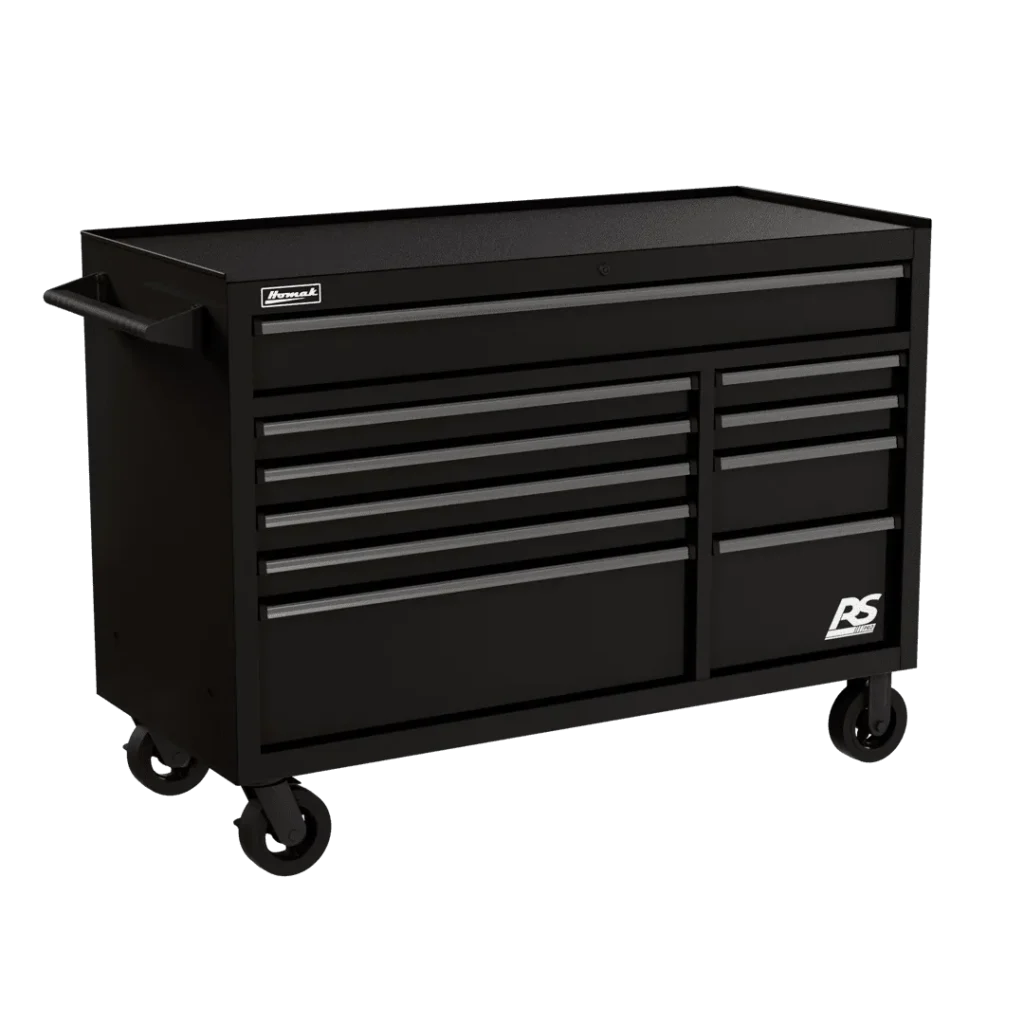
Benefits of Using a Rolling Tool Box
A rolling tool box provides numerous advantages over traditional tool storage:
- Easy Mobility: Circulate your tools around the workshop without heavy lifting.
- Improved Organization: Drawers and cubicles assist kind equipment by using type or size.
- Durability: Protects your gear from damage, dirt, and moisture.
- Time-Saving: Quick find and access the tools you want.
- Safety: Continues heavy gear off the ground, reducing place of job accidents.
- Versatility: May be used in garages, workshops, creation sites, or at home.
Key Features to Consider Before Buying
When shopping for a rolling tool box, consider the following features to choose the right one:
1. Material
- Steel: Extremely durable, ideal for professional use.
- Aluminum: Lightweight and resistant to corrosion.
- Plastic/Polymer: Lightweight, budget-friendly, suitable for DIYers.
2. Size and Storage Capacity
- Small: Fits a few essential tools, easy to move.
- Medium: Suitable for a wider range of tools and accessories.
- Large: Heavy-duty units for mechanics or full workshops.
3. Number of Drawers
- Single drawer units: Portable but limited storage.
- Multi-drawer units: Better organization for different tool types.
4. Wheels and Mobility
- Swivel wheels: Easy to maneuver in tight spaces.
- Lockable wheels: Prevent the tool box from moving unintentionally.
5. Security Features
- Built-in locks: Protect tools from theft.
- Heavy-duty latches: Prevent accidental opening.
How to Organize Your Rolling Tool Box
A well-organized tool box improves efficiency and reduces clutter.
1: Sort Your Tools
- Group tools via kind (wrenches, screwdrivers, pliers, and so forth.).
- Keep frequently used gear on the top for smooth get admission to. Used tools at the top for easy access.
2: Assign Drawers
- Label each drawer consistent with the device kind.
- Use foam inserts or dividers to save you tools from shifting.
3: Use the Top Compartment Wisely
- Keep small gear, measuring gadgets, or frequently used items.
4: Maintain Order
- Return back tools after use.
- Test drawer alignment
Tips for Maintaining Your Rolling Tool Box
Proper maintenance ensures your rolling tool box lasts longer and keeps your tools safe.
- Regular Cleaning: Wipe down surfaces to remove dirt, oil, and debris.
- Check Wheels: Make certain wheels are free of debris and roll smoothly.
- Lubricate Drawers: Use oil or silicone spray to prevent sticking.
- Inspect Locks and Latches: Ensure protection mechanisms work nicely.
- Avoid Overloading: Comply with weight hints to prevent harm to drawers or wheels.
Common Mistakes to Avoid
- Overloading The Tool Box: Exceeding weight limits can harm wheels and drawers.
- Ignoring Drawer Organization: Randomly placing tools makes it hard to find gadgets.
- Neglecting Maintenance: Dirt and rust can shorten the life of your device field.
- Using The Wrong Tool Box For Your Needs: Small DIY containers are not appropriate for heavy expert gear.
FAQs
Q1: Can a rolling tool box be used outdoors?
Sure, but make sure it’s far climate-resistant, specially if made of metallic or aluminum.
Q2: What is the difference between a tool chest and a rolling tool box?
A tool chest is usually stationary with a couple of drawers, even as a rolling device container is cell and designed for portability.
Q3: How much weight can a rolling tool box hold?
It depends on the dimensions and build. professional metal bins can hold 500+ lbs, while small plastic containers may also keep 50–100 lbs.
Q4: Are rolling tool boxes expensive?
Prices range primarily based on size, fabric, and features. Small DIY packing containers are inexpensive, while professional metal chests may be expensive.
Q5: How do I prevent my tools from shifting inside drawers?
Use foam inserts, dividers, or trays to hold tools organized and strong.
How to Choose the Best Rolling Tool Box for You
Consider these points before buying:
- Your Needs: Are you a DIYer, hobbyist, or expert mechanic?
- Space Available: Measure your storage or workshop area.
- Tool Types: Heavy equipment want steel bins; mild equipment can use plastic.
- Budget: determine how a lot you are willing to spend.
- Mobility Needs: If you move gear regularly, prioritize clean, durable wheels.
Conclusion
A rolling device field is more than just garage — it’s a practical, mobile, and durable solution that maintains your gear prepared and easily reachable. Whether you’re a expert mechanic, workshop owner, or a DIY enthusiast, deciding on the proper rolling device field can keep time, boom efficiency, and defend your gear.
Through know-how the sorts, capabilities, organization suggestions, protection methods, and heading off commonplace errors, you could pick out a rolling device box that fits your needs perfectly. Making an investment in a fine rolling tool field is a step towards a greater organized, effective, and more secure workspace.