
Manufacturing is becoming greater complicated each 12 months. Businesses should produce merchandise faster, reduce waste, tune substances, improve quality, and meet customer demands. Traditional manual techniques are no longer enough. This is where MES software — production Execution system software program — becomes crucial.
MES software program allows screen, manipulate, and optimize each step of the manufacturing manner. Whether you run a small plant or a big production unit, an MES can remodel your operations.
This article explains everything you need to recognise approximately MES software in simple English, which include features, advantages, packages, contrast tables, examples, FAQs, and a clean end.
What Is MES Software?
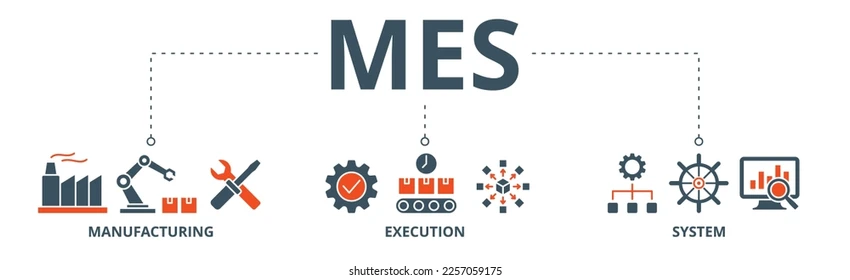
MES software (production Execution machine) is a digital gadget that manages, monitors, and tracks the whole production method in actual time. It connects the manufacturing facility floor with the control office, making sure that each manner runs smoothly and effectively.
It facilitates manufacturers:
- Improve manufacturing pace
- Reduce errors
- Increase product first-class
- Music substances and machines
- Make better decisions
Why Manufacturers Need MES Software Today
Modern-day factories face numerous demanding situations:
- Growing operational fees
- Excessive purchaser expectancies
- Want for faster production
- Strict high-quality requirements
- Complex supply chains
MES software program solves those challenges through giving complete visibility into the manufacturing method. It provides correct information, improves personnel productivity, and reduces waste.
Key reasons MES software is essential today:
- It enables keep away from downtime
- It increases procedure performance
- It offers real-time updates
- It integrates with ERP structures
- It supports enterprise 4.0 and clever manufacturing
How MES Software Works (Step-by-Step Explanation)
To apprehend MES, consider a “virtual brain” walking inner a factory. It constantly monitors all sports and helps you are making higher decisions.
Here’s a easy step-via-step explanation:
1: Data Collection
MES collects data from machines, sensors, operators, scanners, and ERP systems.
Examples:
- Machine overall performance
- Labor hours
- Cloth utilization
- Production speed
- First-class effects
2: Real-Time Monitoring
All activities on the production ground are monitored instantly.
MES suggests:
- Paintings-in-progress
- Delays
- System breakdowns
- Operator overall performance
- Stock degrees
3: Analysis and Alerts
MES automatically analyzes overall performance and sends signals if some thing is going incorrect.
Indicators may additionally include:
- Device mistakes
- Low uncooked material tiers
- Pleasant issues
- Ignored cut-off dates
4: Process Optimization
MES recommends changes or robotically adjusts the workflow to improve output.
5: Reporting and Documentation
MES creates reports on:
- Production performance
- Exceptional manage
- Downtime
- Cloth usage
- Order finishing touch
This facilitates managers plan higher and make greater accurate decisions.
Key Features of MES Software
MES software program comes with a wide variety of capabilities that assist quit-to-give up production operations.
1. Production Scheduling
- Assign duties
- Set priorities
- Manage workloads
2. Work Order Management
- Music task development
- Document operator moves
- Make sure well timed shipping
3. Real-Time Plant Monitoring
- Screen machines
- Track downtime
- View dashboards
4. Quality Management
- Inspection checklists
- Quality parameters
- Disorder tracking
5. Inventory and Material Tracking
- Song raw substances
- Display paintings-in-progress
- Lessen cloth wastage
6. Traceability
- Tune each product from uncooked cloth to very last output
- Helps meet industry rules
7. Performance Analytics
- KPIs
- Productiveness metrics
- OEE (Overall Equipment Effectiveness)
8. Integration with ERP and Automation Systems
MES works seamlessly with:
- ERP structures
- Percent
- Robotics
- IoT devices
Benefits of MES Software
MES brings numerous advantages that help streamline a production unit.
1. Increased Transparency
Supervisors can instantly see what’s happening in manufacturing.
2. Improved Product Quality
Automated checks lessen defects and mistakes.
3. Reduced Downtime
MES identifies troubles early so that they can be solved speedy.
4.Faster Decision Making
Managers get real-time records for accurate decisions.
5. Better Inventory Control
Reduces stock-outs and cloth wastage.
6.Cost Savings
Lower labor fees, reduced waste, and minimized mistakes.
7. Enhanced Customer Satisfaction
Faster production + Higher great = Happier customers.
8. Compliance and Documentation
Industries including prescription drugs and food manufacturing use MES to satisfy regulatory necessities.
Common Use Cases of MES Software
MES is used in many industries. Right here are the most common use cases:
1. Automotive Manufacturing
- Assembly line monitoring
- Satisfactory checks
- Gadget performance monitoring
2. Electronics and Semiconductor
- Precision control
- High-pace manufacturing tracking
- Zero-illness methods
3. Pharmaceuticals
- Batch production
- Compliance documentation
- Ingredient tracking
4. Food and Beverage
- Safety compliance
- Expiry manipulate
- Aspect traceability
5. Aerospace and Defense
- Strict satisfactory standards
- Whole traceability
- Production documentation
6. Textile and Apparel
- Order tracking
- Stock control
- Workflow performance
Steps to Implement MES Software in Your Factory
Imposing MES software requires careful making plans. Follow these simple steps:
1: Analyze Your Current Processes
Pick out:
- Pain points
- Device challenges
- Manufacturing delays
- Pleasant issues
2: Choose the Right MES Software
Search for software that gives:
- Smooth integration
- Person-pleasant layout
- Robust assist
- Real-time dashboards
- Scalability
3: Prepare Your Data and Machines
Ensure:
- Machines can connect with the gadget
- Operators can use scanners or tablets
- Records is easy and prepared
4: Train Your Team
Educate:
- Operators
- Supervisors
- Great inspectors
- IT workforce
5: Start with One Production Line
Begin with a pilot challenge to check the machine earlier than expanding.
6: Go Live and Monitor Performance
Music upgrades:
- Productiveness
- Exceptional
- Downtime
- Cost discount
7: Expand to Other Areas
As soon as the system plays nicely, enforce MES throughout the entire factory.
Challenges of MES Software
At the same time as MES is strong, it comes with demanding situations:
1. High Initial Investment
Some MES systems can be steeply-priced for small factories.
2. Training Requirements
Operators must research new virtual equipment.
3. Integration Issues
Older machines can also want additional hardware for connectivity.
4. Change Resistance
A few personnel can also pick old manual approaches.
Future Trends of MES Software
MES software will keep to adapt as production turns into greater virtual.
Key upcoming trends include:
- AI-driven predictive renovation
- Cloud-primarily based MES structures
- IoT-powered automation
- Cell-first MES packages
- Virtual twins
- Clever factories with industry 4.0 integration
The destiny of MES is vivid as businesses move toward quicker, smarter, and greater green production.
FAQs
Q1. What does MES software do?
It monitors, controls, and optimizes production strategies in actual time.
Q2. Is MES software expensive?
It relies upon on the size of the factory and the specified capabilities. Cloud MES answers are greater low-priced.
Q3. Can MES integrate with ERP?
Sure. MES and ERP paintings collectively to manage each factory and business operations.
Q4. Who uses MES software?
Operators, supervisors, plant managers, satisfactory groups, and commercial enterprise proprietors.
Q5. Does MES improve product quality?
Sure. It reduces errors, guarantees consistent production, and improves traceability.
Q6. Is MES suitable for small factories?
Yes. Present day cloud-primarily based answers are budget-friendly and easy to use.
Q7. How long does MES implementation take?
From a few weeks to a few months — relying on manufacturing unit size and complexity.
Conclusion
MES software program is one of the maximum treasured tools for current manufacturing. It provides actual-time visibility, improves product satisfactory, reduces charges, and will increase production performance. whether you run a small workshop or a massive industrial plant, MES can rework your operations and put together your business for industry 4.0.
By tracking each step inside the production method and integrating with machines and ERP structures, MES gives a robust basis for smarter, quicker, and extra reliable production. For producers seeking to lessen waste, automate techniques, and improve accuracy, MES software program is now not optional — it has become important.