
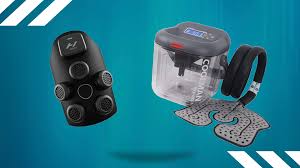
Recovering from knee surgical treatment can be tough. Pain, swelling, and discomfort are common, and managing them properly makes a massive difference in how fast you heal. One of the most encouraged equipment for restoration is an ice machine for knee surgical treatment. This tool offers cold remedy that reduces infection and pain at the same time as selling quicker recovery.
In this article we’ll give an explanation for what an ice gadget is, how it works, its advantages, sorts, and sensible suggestions for use.
What Is an Ice Machine for Knee Surgery?
An ice gadget, also called a chilly therapy system, is a clinical tool designed to deliver regular bloodless remedy to the knee vicinity. Unlike conventional ice packs, those machines flow into cold water through a pad or wrap, supplying:
- Steady temperature control
- Even coverage across the knee
- Longer-lasting cooling without needing to replace ice regularly
Why Cold Therapy Matters After Knee Surgery
Knee surgical procedures including ACL repair, meniscus surgical procedure, or knee alternative frequently result in:
- Pain
- Swelling
- Stiffness
Bloodless therapy works with the aid of:
- Reducing blood flow→ minimizes swelling
- Numbing the area → decreases pain
- Slowing nerve activity→ lowers pain
- Speeding up recovery→ allows sufferers regain mobility faster
Benefits of Using an Ice Machine After Knee Surgery
The usage of an ice device gives several advantages over popular ice packs:
- Consistent cooling → no sudden temperature drops
- Hands-free use → permits mobility at the same time as icing
- Longer sessions→ machines can run for hours
- Even distribution → no uneven cooling like with ice luggage
- Customizable settings → many machines assist you to regulate temperature and period
Types of Ice Machines for Knee Surgery
When it comes to choosing an ice machine after knee surgical operation, there are built-in particular built-in to be had. Each type has precise features that suit different needs and budgets:
- Gravity-Fed Ice Machines – These machines use gravity to circulate bloodless water through the knee pad. They may be easy, quiet, and affordable, making them an good preference for patients who want an easy-to-use device with out greater settings.
- Motorized (Electric) Ice Machines – These machineS use a built-in pump to continuously circulate cold water. They offer greater consistent cooling, can run for longer periods, and often come withadjustable temperature or float settings. Even as they’re more high priced, they are noticeably powerful for patients who want advanced bloodless remedy.
Both types are effective, however your preference relies upon price range, comfort degree, and the recommendations of your doctor.
Step-by-Step: How to Use an Ice Machine After Knee Surgery
1. Prepare the machine
- Fill the reservoir with ice and water.
- Comfy the lid tightly.
2. Attach the knee pad
- Vicinity the wrap round your knee.
- Make certain it fits snugly but now not too tight.
3. Start the machine
- Activate (for motorized machines) or permit gravity waft.
- Set the temperature (if adjustable).
4. Use in intervals
- Normally 15–half-hour in keeping with session.
- Follow your physician’s guidance.
5. Drain and clean
- Empty the reservoir after use.
- Clean tubing and pads to prevent micro organism.
Factors to Consider Before Buying an Ice Machine
Whilst choosing the pleasant ice system for knee surgical operation, maintain these in mind:
- Ease of use→ simple setup and operation
- Size & portability → light-weight for easy motion
- Noise level → quieter machines are more at ease
- Price → degrees from $one hundred–$300+
- Warranty & support→ critical for long-term use
Best Practices for Safe Use
- Continually comply with your medical doctor’s commands.
- Do no longer use the device at once on naked pores and skin (use a material barrier).
- Restriction each session to 15–half-hour.
- Permit pores and skin to heat among sessions.
- Maintain the system clean to prevent infections.
Common Mistakes to Avoid
- Running the system for too long → may also motive frostbite or pores and skin infection.
- Not checking pores and skin circumstance → redness or numbness can also imply overuse.
- The use of faucet water handiest → usually add ice for effective cooling.
- Ignoring preservation → micro organism can grow in unclean pads.
Frequently Asked Questions (FAQs)
Q1. How long should I use an ice machine after knee surgery?
Maximum doctors suggest 2–three weeks after surgery, with sessions of 15–30 minutes several instances an afternoon.
Q2. Can I sleep with an ice machine on my knee?
No, it’s risky to apply it even as sound asleep due to the fact extended cold can harm the pores and skin.
Q3. Is an ice machine covered by insurance?
Some coverage plans cowl it if prescribed by means of a medical doctor. Take a look at with your provider.
Q4. What’s the difference between an ice machine and cryotherapy?
Ice machines are transportable gadgets for domestic use, while cryotherapy involves expert treatments in specialized chambers.
Q5. Can I rent an ice machine instead of buying one?
Yes, many medical deliver shops offer condo options, which can be more inexpensive if you handiest need it quick-time period.
Conclusion
Recovering from knee surgery calls for persistence, right care, and the right tools. An ice device for knee surgery is one of the simplest methods to control ache and swelling, making healing smoother and faster.
In comparison to standard ice packs, ice machines provide longer-lasting, consistent, and extra relaxed cold therapy. Whether you buy or hire, the usage of this tool under medical steerage can notably enhance your submit-surgical treatment revel in.
In case you’re planning for knee surgical treatment or are already recovering, making an investment in an ice machine may be a game-changer for your healing adventure.