
Product development is getting faster, greater complicated, and extra linked. companies now address loads of product versions, design documents, compliance rules, and communication loops between engineers, suppliers, and clients. To manipulate all this without chaos, businesses depend on PLM Software Program.
This article explains what PLM software program is, why it subjects, its center functions, how it works, popular PLM gear, and a way to choose the proper gadget in your commercial enterprise.
What Is PLM Software?
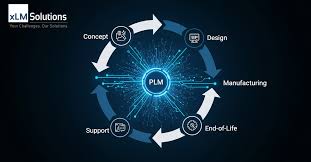
PLM (Product Lifecycle management) software program is a digital device that manages a product from its first idea all the way until it is retired.
In easy phrases:
PLM is the “unmarried supply of truth” for each detail of a product — design, engineering, production, high-quality, maintenance, and extra.
It connects groups, organizes records, and allows groups launch higher merchandise faster.
Why Businesses Use PLM Software
Organizations adopt PLM as it solves real enterprise problems, consisting of:
- Scattered files and files
- Miscommunication among teams
- Sluggish layout-to-production cycles
- Excessive price of engineering changes
- Problem keeping compliance data
- Loss of actual-time product visibility
PLM software program makes the entire product improvement prepared, traceable, collaborative, and green.
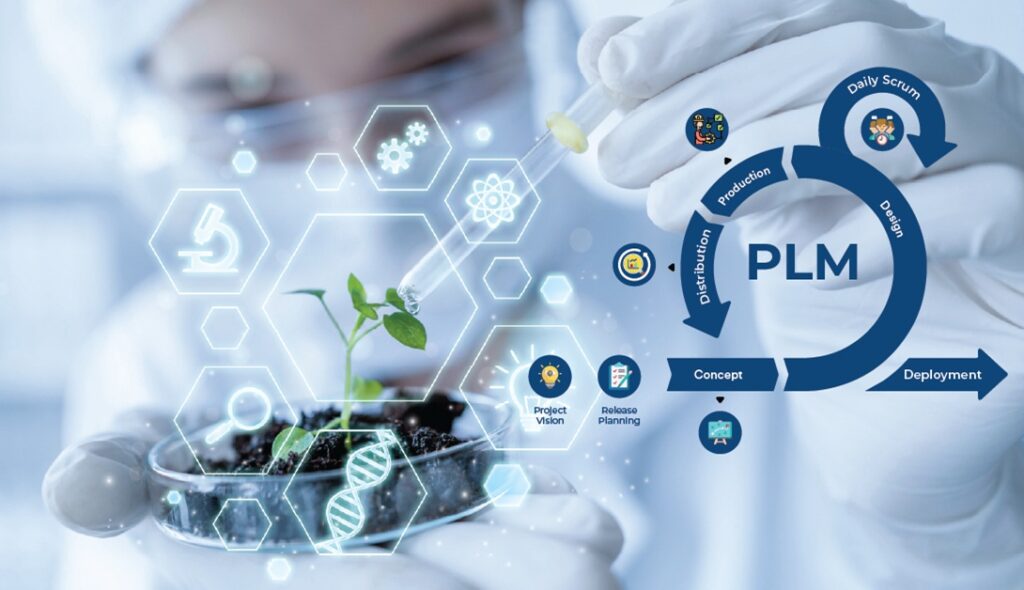
Product Lifecycle Stages Managed by PLM
PLM covers the entire existence of a product:
- Ideation & Concept Development
- Design & Engineering
- Prototyping & Testing
- Production & Production
- Distribution & Launch
- Upkeep & Help
- Retirement or Replacement
PLM makes certain every level communicates with the next, reducing delays and errors.
Key Features of PLM Software
Below are the critical functions you’ll locate in most PLM structures:
1. Centralized Data Management
- Stores all product information in one place
- Organizes CAD documents, drawings, BOMs, files
- Ensures version control
2. Bill of Materials (BOM) Management
- Creates structured BOMs
- Tracks multiple versions
- Updates changes across groups
3. Change Management
- Approves engineering adjustments
- Tracks who modified what and when
- Reduces highly-priced production mistakes
4. Collaboration Tools
- Actual-time communication
- Shared dashboards
- Multi-team visibility
5. Workflow Automation
- Computerized approvals
- Notifications and assignment assignments
- Standardized strategies
6. Compliance and Quality Management
- Shops certificates and requirements
- Tracks audits
- Allows meet industry rules
7. Integration with Other Software
Integrates with:
- ERP systems
- CAD applications
- Production software program
- CRM tools
How PLM Software Works: Step-by-Step
Understanding the workflow makes it less difficult to see PLM’s value.
1: Enter Product Data
Groups add or create:
- Specifications
- CAD designs
- Cloth info
- Requirements
2: Collaborate on the Design
Engineers, designers, and suppliers work collectively:
- Evaluate drawings
- Upload remarks
- Advocate updates
3: Generate BOMs and Documentation
PLM automatically creates and updates:
- Bill of materials
- Work instructions
- Compliance forms
4: Manage Changes
While a trade is needed:
- A request is submitted
- It is going via approval
- All groups get up to date statistics
5: Release to Manufacturing
PLM sends accurate data to manufacturing:
- Correct version
- Up to date BOM
- Required standards
6: Support After Launch
PLM continues to song:
- Carrier manuals
- Patron problems
- Update requirements
Types of PLM Systems
1. On-Premise PLM
- Hooked up on enterprise servers
- High protection
- Costly maintenance
2. Cloud PLM
- Hosted online
- Clean to scale
- Speedy deployment
3. Industry-Specific PLM
Used in:
- Automotive
- Aerospace
- Electronics
- Medical devices
Benefits of Using PLM Software
1. Better Product Quality
- Fewer mistakes
- Standardized workflows
2. Faster Time-to-Market
- Smooth conversation
- Short approvals
3. Lower Product Development Cost
- Much less remodel
- Accurate BOMs
- Fewer production mistakes
4. Improved Collaboration
- Everybody works on the identical data
- No confusion with variations
5. Strong Compliance
- Robotically stores required documents
- Facilitates skip audits
6. Full Product Visibility
- Music every version
- Recognize complete records
- Accurate for lengthy-time period planning
Industries That Benefit From PLM Software
PLM is used in many industries:
- Automotive
- Aerospace
- Electronics & Semiconductors
- Client products
- Commercial equipment
- Scientific gadgets
- Textiles
- Production
- Furnishings manufacturing
Any enterprise that designs, builds, or continues merchandise benefits from PLM.
How to Choose the Right PLM Software
Observe these steps:
1: Identify Your Needs
Ask questions like:
- How complex are our products?
- What number of teams need get entry to?
- Will we need cloud or on-premise?
2: Check Essential Features
Search for:
- Model manage
- CAD compatibility
- BOM management
- Workflow automation
3: Consider Integrations
Make certain the PLM can connect to:
- ERP
- CRM
- CAD
4: Evaluate Ease of Use
A person-pleasant machine saves time and reduces schooling fee.
5: Compare Pricing
Consider:
- Licensing price
- Implementation
- Upkeep
- Schooling
6: Run a Pilot Test
Attempt the software with a small crew earlier than complete deployment.
Common Challenges in PLM Implementation
- Resistance to exchange
- Lengthy migration procedure
- Excessive setup cost
- Statistics accuracy troubles
- Lack of training
Solutions:
- Educate groups early
- Circulate records little by little
- Set clear goals
- Pick a scalable platform
Future Trends in PLM Software
PLM tools are evolving swiftly. Future include:
- AI-pushed layout recommendations
- Digital twins
- Augmented truth for product testing
- IoT-linked product tracking
- Cloud-first platforms
- Predictive preservation
FAQs
Q1. What does PLM stand for?
PLM stands for Product Lifecycle management.
Q2. Who uses PLM software?
Engineers, designers, manufacturers, best teams, deliver chain managers, and service departments.
Q3. Is PLM the same as ERP?
No.
ERP handles business operations like finance and inventory.
PLM handles product layout, development, and engineering.
Q4. Do small businesses need PLM?
Sure. Cloud PLM equipment are cheap and assist improve performance.
Q5. Does PLM integrate with CAD tools?
Maximum PLM structures combine with popular CAD software program like SolidWorks, AutoCAD, Creo, and NX.
Q6. Is cloud PLM secure?
Sure, cloud PLM makes use of organisation-grade protection and encryption.
Conclusion
PLM software program has turn out to be critical for corporations that want to innovate quicker, lessen mistakes, and produce high quality products to market. It centralizes all product facts, improves collaboration, and connects each stage of the product lifecycle.
Whether you’re a startup or a large enterprise, choosing the right PLM solution can rework your entire product development method. With the proper planning and implementation, PLM enables you reduce price, boom productiveness, and launch products with confidence.