

Microsoft Visio is one of the most effective diagramming equipment used in corporations, education, and technical fields. whether someone wants to design a flowchart, map a network, draw an organizational chart, or create a professional diagram, Microsoft Visio makes the procedure easy and green. Its visual readability, person-friendly gear, and smart automation make it a famous preference worldwide.
In this article, we are going to check out everything about Microsoft Visio: what it can do, who uses it, the different versions, and how to actually use it.
What Is Microsoft Visio?
Microsoft Visio is a program for drawing diagrams and working with vector graphics, made by Microsoft. It gives you templates, shapes, and easy-to-use tools to make all kinds of charts and diagrams. Lots of people use it, like:
- Engineers
- Designers
- IT folks
- Business people
- Project leaders
- Teachers
- Students
Visio works with other Microsoft programs like Word, Excel, PowerPoint, and SharePoint, so it’s easy to add your diagrams to other documents.
Why Microsoft Visio Is Popular
Visio is great at taking complicated stuff and making it easy to understand with pictures. Here’s why it’s so popular:
- It’s drag-and-drop, so it’s easy to use
- It has tons of templates and shapes ready to go
- You can work on diagrams with others at the same time
- It works well with Microsoft 365
- You can make really detailed tech drawings
- It lines things up for you automatically
- You can link data to your diagrams
Key Features of Microsoft Visio Software
Visio has features for everything from simple diagrams to fancy data displays. Here are some of the most important things it can do:
1. Ready-Made Templates
Visio gives you layouts for:
- Flowcharts
- Org charts
- Floor plans
- Network layouts
- UML diagrams
- Gantt charts
- Business models
- Electrical plans
These layouts make it easy to get started, especially if you’re new to diagramming.
2. Smart Shapes and Connectors
The shapes fix themselves automatically, so your diagrams always look good.
3. Collaboration Tools
Teams can:
- Change diagrams together
- Leave notes for each other
- Share files safely
- Work at the same time using Microsoft 365
4. Supports Data Visualization
You can hook up Visio diagrams to:
- Excel
- SQL Server
- SharePoint
- Other databases
This way, your diagrams change as your data changes.
5. Cloud and Desktop Options
You can pick:
- The Visio program for your computer
- The Visio website version
This lets people work from anywhere.
6. Integration with Microsoft Apps
Visio plays nice with:
- Word
- Excel
- PowerPoint
- Teams
- OneDrive
- SharePoint
Different Versions of Microsoft Visio
There are a few different versions of Visio, depending on what you need and how much you want to spend.
Plan 1
- This is online-only
- Good for simple diagrams
- Has basic templates
Plan 2
- This is for computers and online
- Has more advanced templates
- Great for IT, designers, and tech work
Standard
- You pay once and own it
- Good for basic diagrams
- Doesn’t have the fancy templates
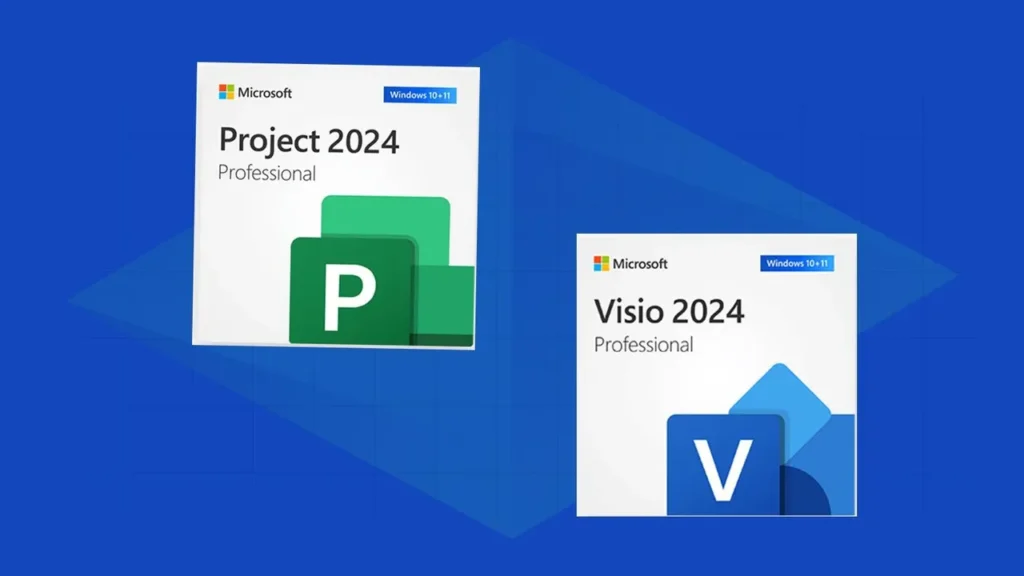
Professional
- You pay once and own it
- Has advanced features and teamwork options
- Good for businesses and tech teams
Who Should Use Microsoft Visio?
Visio is helpful for lots of different people. Here are some examples:
1. IT Professionals
- Network designs
- Datacenter layouts
- Infrastructure maps
2. Business Teams
- Organizational charts
- Process diagrams
- Business plans
3. Engineers
- Electrical plans
- Mechanical layouts
- Building designs
4. Project Managers
- Gantt charts
- Workflow diagrams
- Resource charts
5. Teachers and Students
- School charts
- Concept maps
- Presentations
Common Uses of Microsoft Visio
Visio can do a ton of stuff. Here are some of the most common uses:
- Making flowcharts
- Designing computer networks
- Drawing floor plans
- Mapping out business steps
- Drawing UML diagrams
- Making timelines
- Designing security layouts
- Making infographics
- Process automation designs
How to Use Microsoft Visio: Step-by-Step Guide
If you’re just starting out with Visio, here’s how to get going:
1: Open Microsoft Visio
When you open the program, you’ll see the main screen with a bunch of templates.
2: Choose a Template
Pick a template that fits what you want to do:
- Flowchart
- Network layout
- Floor plan
- Org chart
- Blank drawing
3: Drag and Drop Shapes
Use the shapes on the left side:
- Drag a shape onto the page
- Use lines to connect the shapes
- Move things around to where you want them
4: Use Smart Connectors
Visio connects shapes automatically with smart lines.
- Shapes stay connected when you move them
- Lines stay in place
5: Add Text and Labels
Click on a shape to add text.
You can also change:
- Font
- Colors
- Borders
- Background
6: Format Your Diagram
Use the Design tab to change:
- Layout
- Themes
- Styles
7: Save or Export
You can save your work as:
- A Visio file
- A PDF
- A PNG image
- A JPEG image
- An SVG image
- A Word or PowerPoint file
8: Share Your Diagram
Use:
- OneDrive
- SharePoint
- Microsoft Teams
to work with others.
Benefits of Using Microsoft Visio
Here are some of the best things about Visio:
1. Easy to Use
The drag-and-drop makes it easy for anyone to use.
2. Professional Quality
All your diagrams will look clean and professional.
3. Saves Time
The templates really speed things up.
4. Highly Customizable
You can change shapes, colors, themes, and layouts to make it your own.
5. Great for Collaboration
Teams can work together easily.
6. Suitable for Many Industries
Visio is good for IT, designers, business, and school.
Tips to Get the Best Out of Microsoft Visio
- Start with a template instead of a blank page
- Use themes to make your diagrams look polished
- Use layers for complicated diagrams
- Learn the keyboard shortcuts
- Save shapes as stencils to use again
- Use the zoom and grid for exact placement
FAqS
Q1. Is Microsoft Visio part of Microsoft Office?
No, you have to buy it separately.
Q2. Can I use Visio for free?
You can try it for free, but you need to pay to keep using it.
Q3. Is Visio good for students?
Yes, it’s good for making charts and diagrams for school.
Q4. Can I use Visio on the web?
Yes, Plans 1 and 2 have online versions.
Q5. Which is better: Visio Standard or Visio Professional?
Professional is better for businesses and people who need the extra features. Standard is good if you just need the basics.
Q6. Does Visio work on Mac?
There’s no computer version for Macs, but you can use the online version.
Q7. Can I collaborate with my team in Visio?
Yes, you can with Plans 1, Plan 2, and the Professional version.
Q8. What file formats can I export from Visio?
You can save them as PDF, PNG, JPEG, SVG, and more.
Conclusion
Microsoft Visio is a helpful diagramming tool that works for many jobs and people. It makes hard info easier to understand by turning ideas into clear, good-looking images. If you’re in IT and need to draw network maps, a manager planning a workflow, or a student making a presentation, Visio has what you need.
With its many templates, simple design, integrations, and data features, it’s a top choice for diagramming. If you need a dependable diagramming tool that’s both easy to use and strong, Microsoft Visio is great for new and experienced users.