
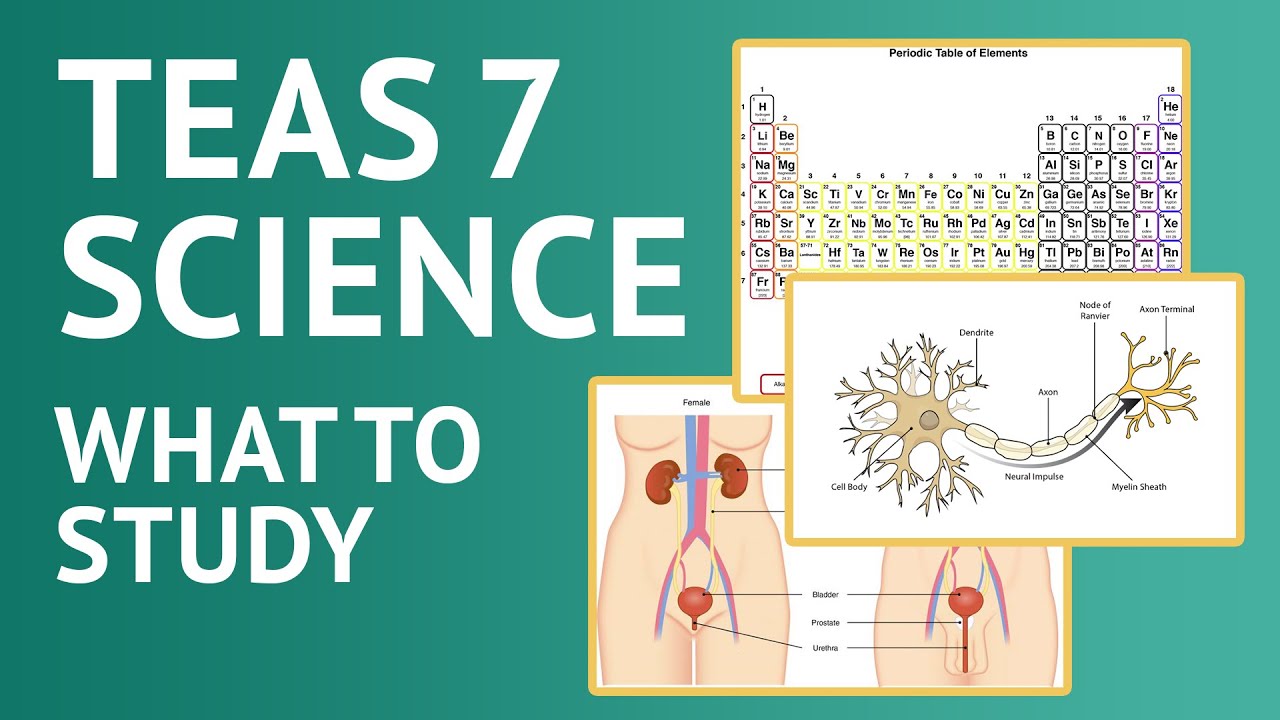
Getting ready for the TEAS science section can experience tough, in particular in case you haven’t studied biology, chemistry, or anatomy for a while. Many nursing and allied health students turn to Chegg as a look at aid to assist them review medical standards, remedy practice questions, and apprehend hard subjects extra correctly.
This article explains what the TEAS science section covers, how Chegg may be used successfully for instruction, step-by using-step steerage for studying, and beneficial pointers that will help you be triumphant.
Understanding the TEAS Science Section
The test of essential academic skills (TEAS) evaluates a pupil’s readiness for healthcare packages which includes nursing, pharmacy, or dental assisting. The technology element assessments your hold close of key medical standards.
Main Focus Areas:
- Human Anatomy and Physiology: Examine of organs, tissues, and body systems.
- Life Science: Covers biology ideas which include cells, genetics, and evolution.
- Physical Science: Consists of chemistry and physics fundamentals.
- Scientific Reasoning: Assessments your potential to interpret and follow scientific facts.
Key Facts:
- Generally includes 50 to 60 multiple-desire questions.
- You should solution within a limited time, typically 60–70 mins.
- Questions verify understanding, not simply memorization.
What Is Chegg and How Does It Help?
Chegg is a web mastering platform that gives textbook answers, expert Q&A assist, flashcards, and study assets. For TEAS science instruction, it can be a first-rate supplement to traditional look at substances.
Chegg Resources for TEAS Science:
- Step-by-Step answers: Special reasons for practice questions.
- Q&A aid: You could seek or ask for assist on science topics you discover complicated.
- Flashcards and examine gear: Beneficial for memorizing anatomy terms or formulas.
- Practice Questions: Publicity to impeach codecs just like the TEAS exam.
Benefits of Using Chegg for TEAS Science:
- Accessible each time, ideal for self-examine.
- Gives instantaneous motives to hard issues.
- Reinforces information thru repetitive practice.
- First-rate for visible learners who select worked examples.
However, it’s crucial to understand that Chegg is a supplement, now not a alternative for proper have a look at publications or textbooks.
Structure of the TEAS Science Section
The TEAS technology section assesses your understanding of key scientific standards and your ability to use them. It typically consists of 50–60 more than one-desire questions overlaying numerous subjects. Key areas encompass:
- Human Anatomy & Physiology – Body systems, organ capabilities, and homeostasis.
- Life Science – Cells, genetics, evolution, and fundamental biology.
- Physical Science – Chemistry and physics fundamentals, matter, and power.
- Scientific Reasoning – Facts interpretation, experiments, and application of clinical concepts.
The section is timed, so practicing underneath examination situations is essential to manage both accuracy and pace.
Step-by-Step Study Plan Using Chegg
1: Evaluate Your Current Knowledge
Start by taking a diagnostic check or pattern quiz. discover your strengths and weaknesses in distinct technology subjects.
Example:
- Strong in Biology, susceptible in Chemistry → cognizance on chemical reactions and atomic shape.
- Strong in Anatomy, susceptible in physiology → have a look at organ functions in greater detail.
2: Create a Study Schedule
Plan your practise over 4–eight weeks.
- Week 1–2: Evaluation anatomy fundamentals (cells, tissues, organ systems).
- Week 3–4: Recognition on chemistry and physics ideas.
- Week 5–6: Exercise scientific reasoning questions.
- Week 7–8: Take full-duration mock assessments and review with Chegg explanations.
3: Use Chegg for Topic-Specific Practice
Seek or browse for troubles related to your weak areas.
- For biology, review cellular division, DNA, and genetics questions.
- For chemistry, practice atomic structure and bonding examples.
- For anatomy, focus on structures like circulatory and breathing.
Work via step-by means of-step answers rather than just checking answers. Write brief summaries of what you learned after every practice set.
4: Mix Practice and Concept Review
Alternate among analyzing concepts and solving questions.
Example:
- Day 1: Read about the circulatory machine.
- Day 2: Practice 10–15 questions about blood float or coronary heart characteristic using Chegg.
- Day 3: Evaluation errors and write short notes.
5: Simulate Real Exam Conditions
As you near the examination date:
- Take timed practice checks (60–70 mins).
- Avoid checking solutions till the give up.
- Examine wrong answers and re-have a look at the usage of Chegg causes.
- Track development in a pocket book to see development through the years.
Tips for Using Chegg Effectively
- Focus On Understanding, Not Memorization: Read full factors and recognize the good judgment.
- Organize By Topic: Create folders or sections for anatomy, chemistry, and reasoning.
- Avoid Over-Reliance: Use Chegg along TEAS have a look at books or on-line mock assessments.
- Review Daily: Brief each day sessions (30–45 mins) are greater powerful than cramming.
- Write Summary Notes: Rewriting allows memory retention.
Common Mistakes to Avoid
1. Relying solely on Chegg
- Use it for assist, now not as your only study supply.
2. Skipping scientific reasoning practice
- Many college students focus simplest on memorization, however reasoning questions test common sense and alertness.
3. Not reviewing mistakes
- Always revisit incorrect answers and apprehend why you have been wrong.
4. Ignoring timing
- Practice under exam-like cut-off dates to improve pace and accuracy.
5. Avoiding weak topics
- Spend greater time on regions that feel challenging; don’t bypass them.
Key TEAS Science Topics to Review
Here’s a short refresher of the most essential areas to look at.
Human Anatomy and Physiology
- Frame structures: circulatory, respiratory, digestive, frightened, endocrine.
- Homeostasis and organ capabilities.
- Fundamental anatomy phrases and frame planes.
Life Sciences
- Structure and feature of cells.
- DNA, RNA, and protein synthesis.
- Mendelian genetics and inheritance.
- Evolution and variation basics.
Physical Sciences
- Count and its states.
- Chemical bonding and reactions.
- Movement, force, and power.
- Periodic desk fundamentals.
Scientific Reasoning
- Interpreting records and graphs.
- Understanding dependent and impartial variables.
- Experimental design and hypothesis testing.
How to Build Confidence Before the Exam
- Simulate Exam Settings: Take practice checks at the same time of day as your real examination.
- Track Improvement: Keep a log of ratings to look development.
- Review High-Yield Topics: Spend greater time on anatomy and physiology due to the fact they dominate the test.
- Stay Consistent: Normal every day examine is extra effective than occasional lengthy sessions.
- Take Care Of Yourself: Sleep properly, devour healthy, and manage strain at some point of training.
Sample Study Schedule Template
A focused examine agenda enables you cowl all TEAS technology subjects successfully over numerous weeks:
- Week 1: Anatomy basics – cells, tissues, and frame shape.
- Week 2: Body structure – circulatory, respiratory, and fearful systems.
- Week 3: Biology – DNA, genetics, and cell department.
- Week 4: Chemistry – elements, compounds, and chemical bonding.
- Week 5: Scientific reasoning – statistics interpretation, experiments, and variables.
- Week 6: Assessment & exercise – complete-duration practice exams below timed conditions.
Following this time table ensures regular development whilst reinforcing each standards and examination talents.
FAQs
Q1. What is the best way to study TEAS Science?
Use a mix of study substances — textbooks for idea, Chegg for practice and clarification, and online tests for timing practice.
Q2. How long should I study for the TEAS Science section?
Preferably, devote 4–eight weeks for constant observe. Spend at the least 30–60 minutes each day reviewing content material and working towards questions.
Q3. Is Chegg enough to pass the TEAS Science section?
Chegg can enhance your practice and expertise, but it have to complement different have a look at assets, now not update them.
Q4. Can I use Chegg on my phone or tablet?
Yes, Chegg’s examine gear are mobile-friendly, making it smooth to exercise every time.
Q5. What topics are most important in TEAS Science?
Human anatomy and physiology carry the best weight, followed by way of biology, chemistry, and clinical reasoning.
Q6. What’s a good score for the TEAS Science section?
Intention for at least 70% or higher, depending in your program’s admission requirements.
Q7. How can I stay motivated while studying?
Set short-term goals, reward your self after finishing obligations, and tune progress to live advocated.
conclusion
The TEAS technology phase is one of the most critical parts of your nursing or fitness-technology program application. Using Chegg as part of your examine ordinary could make your coaching extra interactive and green. It helps you apprehend tricky principles, practice successfully, and examine from mistakes.
However, genuine achievement comes from combining Chegg practice with textbook look at, mock assessments, and steady attempt. Construct a time table, review each day, and use every to be had aid in your benefit.
With the aid of following the stairs, suggestions, and strategies shared in this manual, you can approach the TEAS Science exam with self belief — prepared to perform at your exceptional and take the following step closer to your healthcare career.